Thinking Decorative Concrete? Here's the Lowdown.
So, you're eyeing decorative concrete, huh? Maybe you've spotted some really cool stamped patios, stained floors, or polished driveways and thought, "Man, that would look amazing at my place!" You're right, it absolutely can. Decorative concrete isn't just about making things pretty; it actually adds real value and a lot of character to your home, whether it's inside or out. But before you jump in, let's chat about what's involved, what you might be able to tackle yourself, and when you really, truly need to bring in the pros.
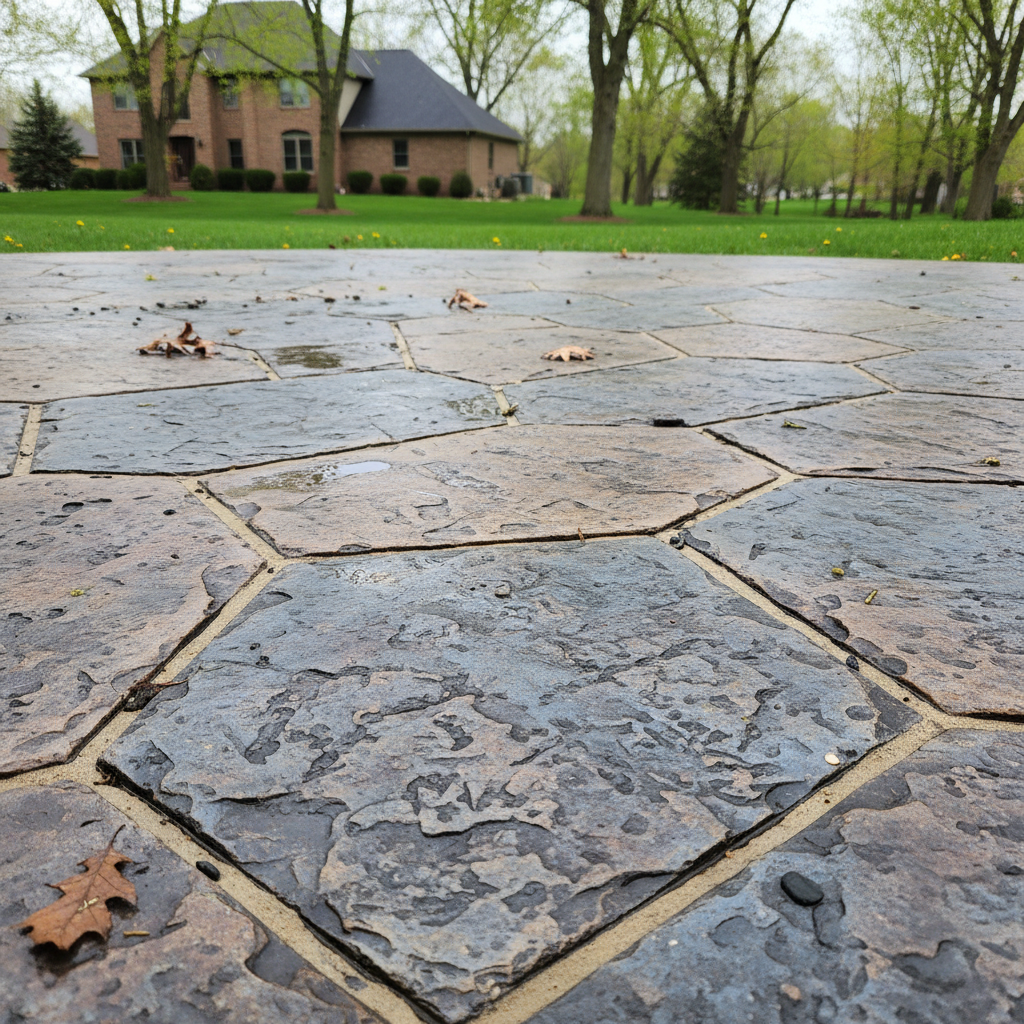
First things first, what exactly *is* "decorative concrete"? It's a pretty big umbrella term. It covers everything from stamping fresh concrete to make it look like natural stone or brick, to staining existing slabs with bright colors, to polishing concrete floors for that super high-gloss, modern finish. Oh, and there's also exposed aggregate, overlays, and even engraving. The choices are practically endless, which is both exciting and, let's be honest, a little overwhelming.
Before You Start: Planning & Prep
This stage? Probably the most important one. You've got to figure out what you want, where it's going, and what kind of shape your existing concrete (if you have any) is in. If you're pouring new concrete, say for a patio or a walkway, you'll have a lot more wiggle room with stamping or integral color. But if you're working with an existing slab, your options might narrow down to staining, overlays, or polishing.
Here's what you should think about:
- What's the goal here? Are you trying to copy natural stone, add a splash of color, or get that sleek industrial vibe?
- Where will it be? Is this an outdoor patio that has to stand up to our Joliet winters and those brutal freeze-thaw cycles, or is it a basement floor inside?
- What's the current surface like? If it's an existing slab, does it have cracks, is it spalling, or is it uneven? Small cracks might be fixable for some applications, but major damage usually means you'll need to replace it or put down a thick overlay. You just can't stain over a crumbling slab and expect it to look good or last, can you?
- Budget. This one's always a big factor. Some decorative options cost more than others. Stamping new concrete, for instance, can add a decent chunk of change compared to a plain broom-finished slab. That's because of the special tools and extra labor involved.
For most homeowners, the planning and that first assessment are definitely things you can do yourself. Look at pictures, gather ideas, measure your space. But if you're not sure about your existing concrete's condition, or if your project sounds complex, a professional consultation is a smart move. We can tell you what's actually realistic for your specific situation.
During the Project: DIY vs. Pro
Alright, let's get down to brass tacks: what can you DIY, and what should you really leave to Aim High Concrete Co?
DIY-Friendly Decorative Concrete:
- Concrete Staining (Acid or Water-Based): If you've got a clean, solid, existing concrete slab (like a basement floor or a garage), staining can be a fantastic DIY project. It's kind of like painting, but it uses a chemical reaction or pigment that soaks into the surface. You'll need good ventilation, protective gear, and a bit of patience. The trick is really thorough cleaning and prep. It's not hard, but it's easy to mess up if you rush or don't follow the directions.
- Concrete Painting/Epoxy Coatings: Similar to staining, putting down a concrete paint or epoxy coating on a garage floor or basement is a common DIY. Again, surface prep is *everything*. Clean, etch, rinse, dry. Skip a step, and it'll peel right off.
- Simple Concrete Sealing: After any decorative concrete work, sealing is vital for protection. Applying a sealer to an existing decorative surface is usually a pretty straightforward spray or roll-on job.
When to Call a Pro (Almost Always):
- New Concrete Pours with Stamping or Integral Color: This is absolutely a pro job. Stamping demands precise timing, special mats, release agents, and a lot of experience. You've got a super small window to get it right before the concrete sets. It's not something you can just pick up from a YouTube video in an afternoon. Mess it up, and you're looking at a very expensive mistake that's nearly impossible to fix without tearing it all out.
- Polished Concrete: Polishing needs heavy, specialized grinding equipment and diamond abrasives. It's dusty, hard work, and requires a skilled hand to get that smooth, reflective finish. This is definitely not a weekend warrior project.
- Concrete Overlays (especially decorative ones): While some thin, basic resurfacing products are marketed for DIY, putting down a decorative overlay that looks like stone or wood, or that's colored and textured, is best left to the pros. It needs specific mixing ratios, application techniques, and curing knowledge to keep it from cracking and make sure it sticks.
- Any Project Requiring Extensive Concrete Repair: If your existing slab has big cracks, heaving, or spalling, it needs proper repair *before* any decorative application. Sometimes, that means mudjacking or even a full replacement. Don't try to hide major structural problems with a decorative finish; it just won't last.
Seriously, for anything involving pouring new concrete, especially if you want it stamped or integrally colored, just give us a call. We've got the crew, the tools, and the know-how to ensure it's done right the first time. We're used to working with the heavy clay soils we have around Joliet, which can make drainage and sub-base prep extra important for flatwork that lasts.
After the Project: Maintenance Matters
Whether you DIY'd a stained floor or we put in a beautiful stamped patio for you, maintenance is super important for keeping it looking good. Decorative concrete isn't completely maintenance-free, but it's usually pretty low-key.
- Cleaning: Regular sweeping and an occasional mop (for indoor floors) or hosing down (for outdoor surfaces) will stop dirt and debris from scratching up the surface. Use a mild, pH-neutral cleaner. Stay away from harsh chemicals or abrasive brushes.
- Sealing: This is probably the most crucial maintenance step, especially for outdoor decorative concrete. Sealers protect against stains, UV damage, and general wear and tear. For outdoor surfaces in our climate, you'll likely need to reapply a good quality sealer every 2-5 years, depending on how much traffic it gets and how much sun it sees. Indoor surfaces might go longer. A good sealer helps prevent water from getting in, which is vital for stopping freeze-thaw damage.
- Addressing Spills: Clean up spills quickly, particularly things like oil, grease, or acidic liquids, to prevent staining.
Don't just forget about your decorative concrete once it's in. A little bit of care goes a long way in keeping its beauty and making it last longer. If you have questions about specific cleaners or sealers for your decorative concrete, just ask us. We're always happy to share our experience and help you keep your investment looking sharp.