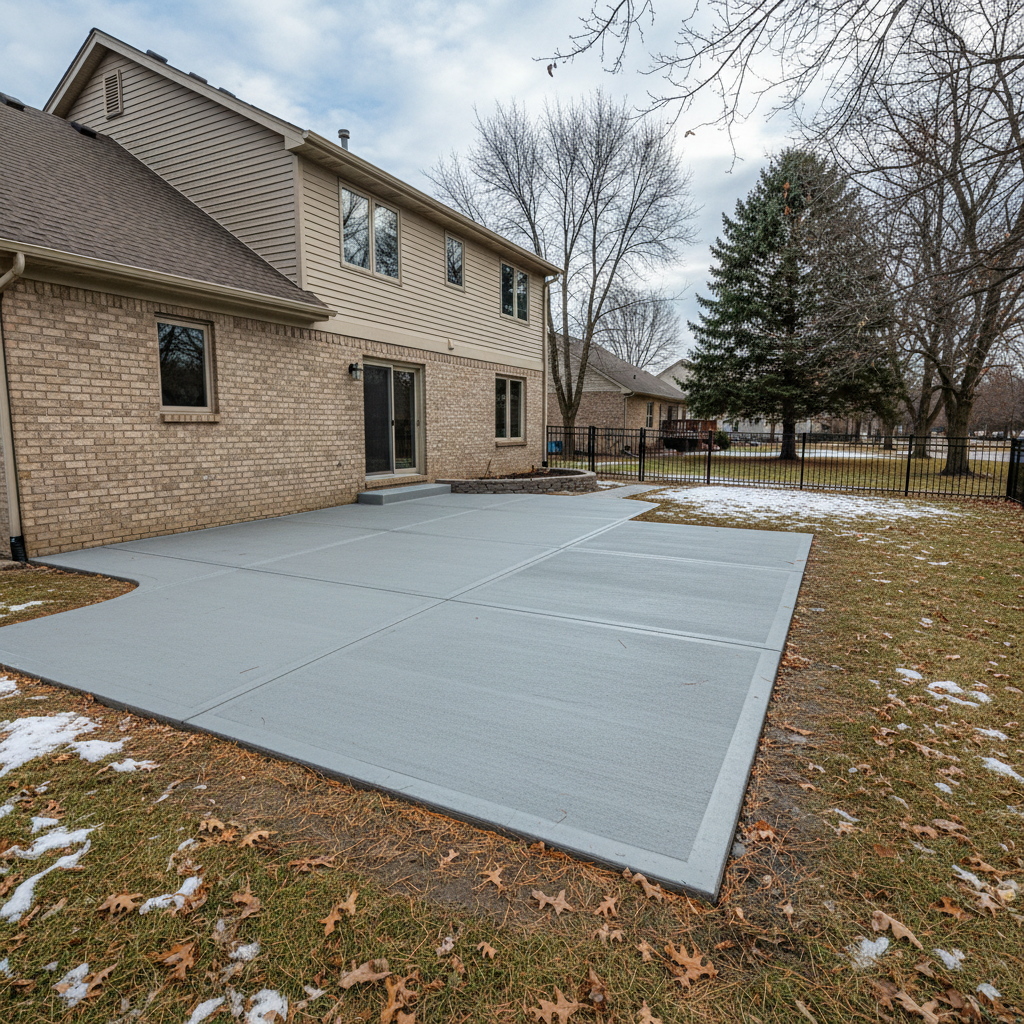
Thinking about a new patio, driveway, or walkway? Maybe you've got some old, cracked concrete that's seen better days. That's great! But before you pick up the phone, let's talk about something really important for us here in Joliet: the weather. Our climate isn't just a little unpredictable; it's a full-on rollercoaster, and that makes a huge difference for any concrete work you're planning.
When to Schedule Your Concrete Project
This is probably the biggest question I get. Everyone wants their new concrete yesterday, I know, but Mother Nature doesn't always cooperate. For us, the sweet spot for pouring concrete is generally late spring, through summer, and into early fall. Think May through October. So, why then?
Spring (Late April/May): Once the ground thaws out completely and we're past the consistent overnight freezes, spring is a great time. The ground is often moist, which helps with curing, and temperatures are usually mild. You really want to avoid those early spring days where it's 60°F one day and then dips below freezing overnight for a week. That kind of temperature swing? A nightmare for fresh concrete.
Summer (June-August): This is prime time. Consistent warm temperatures help the concrete cure strong. The main thing we watch out for is extreme heat. If it's pushing 90°F or more, we'll take extra precautions to keep the concrete from drying too fast. That might mean pouring earlier in the morning or using specific curing compounds. And, of course, we keep an eye on pop-up thunderstorms; you definitely don't want a downpour on newly poured concrete.
Fall (September-October): Honestly, this is often my favorite time to pour. The days are still warm, but the intense summer heat is gone. The ground is usually dry enough, and we get those nice, consistent temperatures that are perfect for a slow, strong cure. We just have to be mindful of the first hard freeze. Once night temperatures consistently drop below freezing, it's time to pack it in for the year.
What about winter? Forget about it. You absolutely do not want concrete poured in freezing temperatures. It's a recipe for disaster, leading to weak concrete that'll spall and crack in no time. Even if you use additives, it's just not worth the risk for flatwork.
Weather Conditions That Affect the Work
It's not just about the season; it's about the day-to-day conditions. When we're on a job, we're constantly checking the forecast. Here's what we look at:
Temperature: As I said, too hot or too cold is bad. The ideal range for pouring and curing is generally between 40°F and 80°F. Anything outside that requires special consideration. Below 40°F, the chemical reaction that hardens concrete slows way down, and freezing water can expand and damage the concrete before it gains strength. Above 80°F, water evaporates too quickly, which can lead to cracking.
Humidity: Low humidity combined with high temperatures can cause concrete to dry out too fast, leading to surface cracks. High humidity can slow down drying, which isn't always bad, but it can affect finishing times.
Wind: A windy day, even if it's not super hot, can dry out the surface of fresh concrete too quickly. This is especially true for large areas like driveways. We might use windbreaks or apply curing compounds sooner to combat this.
Rain: A light drizzle isn't usually a deal-breaker, but a heavy downpour can ruin a fresh pour. It adds too much water to the mix, weakens the surface, and can wash away cement paste. We always have tarps ready, but ideally, we avoid pouring if significant rain is in the forecast.
This is why sometimes we have to reschedule. It's not because we don't want to get the job done; it's because we want to do it right, and that means working with the weather, not against it. We've seen too many shortcuts taken in this business, and they always come back to bite you.
Protecting Your Concrete Investment Year-Round
Once your new concrete is in and cured, your job isn't over. You've made an investment, and you want it to last. Here's how to protect it, especially with our Joliet winters:
Seal It: This is probably the most important thing you can do. A good quality penetrating sealer should be applied within the first year and then reapplied every 2-5 years, depending on the product and traffic. It helps repel water, oil, and other stains, and crucially, it protects against freeze-thaw cycles. Water gets into the pores of the concrete, freezes, expands, and pops off little pieces of the surface. Sealer helps prevent that.
Be Careful with De-Icers: This is a big one for us in the Midwest. Many de-icing salts, especially those containing ammonium sulfate or ammonium nitrate, are highly corrosive to concrete. Even rock salt (sodium chloride) can be damaging, especially to new concrete or concrete that hasn't been properly sealed. I always recommend using sand for traction or de-icers specifically labeled as