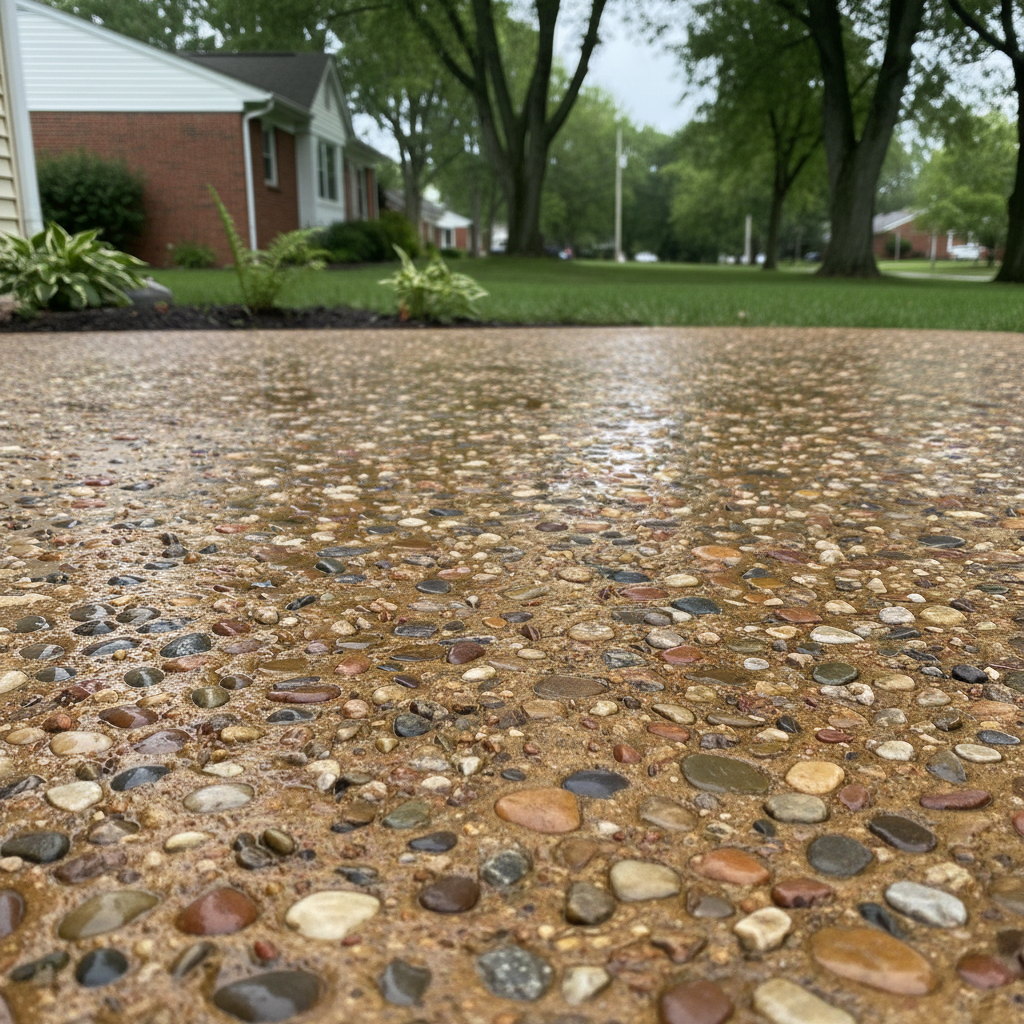
Got questions about decorative concrete? Good. It's a big decision for your home, and you shouldn't jump into it without knowing exactly what you're signing up for. I've been pouring concrete all over Joliet for years, and I hear the same questions pretty often. So, let's just lay it all out there, shall we? Here are the straight answers to what you're probably wondering.
What exactly is 'decorative concrete' anyway?
When people talk about 'decorative concrete,' they're usually thinking about concrete that's been treated to look like something else, or just to look a lot nicer than plain gray concrete. It's not just for patios anymore, you know; we do driveways, walkways, pool decks, even interior floors. The main types you'll run into are stamped concrete, stained concrete, and polished concrete. Stamped concrete is probably the most popular around here. That's where we press patterns and textures into fresh concrete to mimic stone, brick, wood, or even tile. Stained concrete uses acid or water-based stains to give the concrete a translucent, rich color. Polished concrete is usually for indoors, where we grind and seal the surface to a high shine. Each one has its own look and feel, and we can get pretty creative with them.
How long does decorative concrete really last?
This is a big one, and the honest answer is: it depends. But generally, decorative concrete, when installed right and properly maintained, can last just as long as plain concrete — we're talking decades. Think 20-30 years, sometimes even more. The key really is proper installation. That means good sub-base preparation. We pay extra close attention to that in Joliet with our clay soils, which can shift if not handled right. It also means using the right concrete mix, proper curing, and applying quality sealers. The decorative finish itself, like the color or stamp, is pretty durable, but the sealer is what truly protects it from wear, UV rays, and our crazy Illinois weather cycles.
Is decorative concrete slippery, especially when wet?
It can be, yes, but it doesn't have to be. This is a common concern, especially for pool decks or walkways, and a valid one. When we apply the sealer, we can add an anti-slip additive. It's usually a fine grit that mixes into the sealer and creates a textured surface without really changing the look. It gives you a lot more grip, even when it's raining or when there's pool water splashed around. If you're worried about slip hazards, definitely bring it up. We'll make sure to incorporate that into the sealing process. Safety's always a priority, especially for families.
What kind of maintenance does it need?
It's not maintenance-free, but it's pretty low maintenance compared to, say, a wood deck. The main thing is cleaning and resealing. I recommend cleaning it once or twice a year with a mild detergent and a good rinse – nothing too harsh. For resealing, that usually needs to happen every 2-5 years, depending on the traffic it gets and how much sun exposure it has. A driveway will probably need it more often than a patio under a covered porch. Resealing protects the color and the concrete itself from fading, stains, and general wear and tear. It's not a huge job, and it keeps your investment looking good for the long haul.
Can you put decorative concrete over existing concrete?
Sometimes, but not always. If your existing concrete is in really good shape – no major cracks, spalling, or significant settling – we might be able to apply an overlay. This is a thin layer of specialized concrete mix that goes over the old surface, and then we can stamp or stain that. It's a way to refresh an old slab without tearing it all out. However, if the old concrete has structural issues, like big cracks that go all the way through, or if it's heaving or sinking unevenly, then an overlay won't fix those underlying problems. In those cases, tearing out the old and pouring new is the only way to get a durable, lasting result. We'll always assess your existing slab honestly to tell you what's feasible.
Will the color fade over time?
Some fading is pretty natural with anything exposed to the elements, especially here in Joliet with our intense summer sun and harsh winters. However, modern decorative concrete techniques and quality materials are designed to resist fading significantly. The type of stain or colorant used makes a difference. Integral colors, where the color is mixed throughout the concrete, tend to be very fade-resistant. Surface-applied stains and dyes are also very durable, especially when protected by a good quality, UV-resistant sealer. That annual or bi-annual cleaning and regular resealing I mentioned earlier? That's your best defense against color fade. It keeps the sealer fresh and protecting the color pigments underneath.
Hopefully, that clears up some of your questions. If you're thinking about decorative concrete for your Joliet home, don't hesitate to give Aim High Concrete Co a call. We're happy to come out, take a look, and talk through all your options. No pressure, just good, honest advice.